
Anyone who plans a coffee experience in Colombia’s coffee region eventually asks the same question: where does the story of a cup actually begin? In Quindío, the answer is everywhere. It is in the shade-grown slopes, in the hands that pick the cherry at the right red, in the slow patience of drying and roasting, and finally in the kitchen that decides what that cup should taste like beside a meal. This guide follows the bean to the cup, and then to the table at Basto, the restaurant at Biohabitat Hotel.
Why Quindío is the place to understand coffee
Quindío sits in the heart of Colombia’s Coffee Cultural Landscape. Mountains, volcanic soils, steady rainfall and altitude shape beans with bright acidity and a rounded sweetness. But the region is more than a growing area: it is a culture built around a morning ritual. Families still measure the day by the first cup, and many farms open their doors so travelers can see why.
If you are still choosing where to base yourself, start with our guide to discovering Quindío, and read our curated comparison, Filandia vs Salento, to decide which town fits your pace.
From bean to cup: the journey in five steps
1. The plant and the shade
Coffee grows best here beneath a canopy. Shade trees protect the plants, feed birds and keep the soil alive. Walking a farm, you notice the difference immediately: cooler air, birdsong, a layered green that feels more forest than field.
2. The harvest
Ripe cherries are picked by hand, selectively, over several passes. This is the first quality decision, and the reason specialty lots command attention. Ask a farmer to show you the difference between a ripe and an underripe cherry; it takes ten seconds and changes how you taste afterwards.
3. Processing and drying
Washed, natural or honey: each process leaves a signature. Washed coffees tend to taste clean and citric; naturals lean fruity and heavier; honey sits in between. Seeing beans dry on raised beds under the Andean sun is one of the most photogenic moments of any farm visit.
4. Roasting
Roasting translates the farm into flavor. Light roasts keep origin character; darker roasts build body and chocolate notes. A good guide will let you smell a batch at different stages.
5. The cup
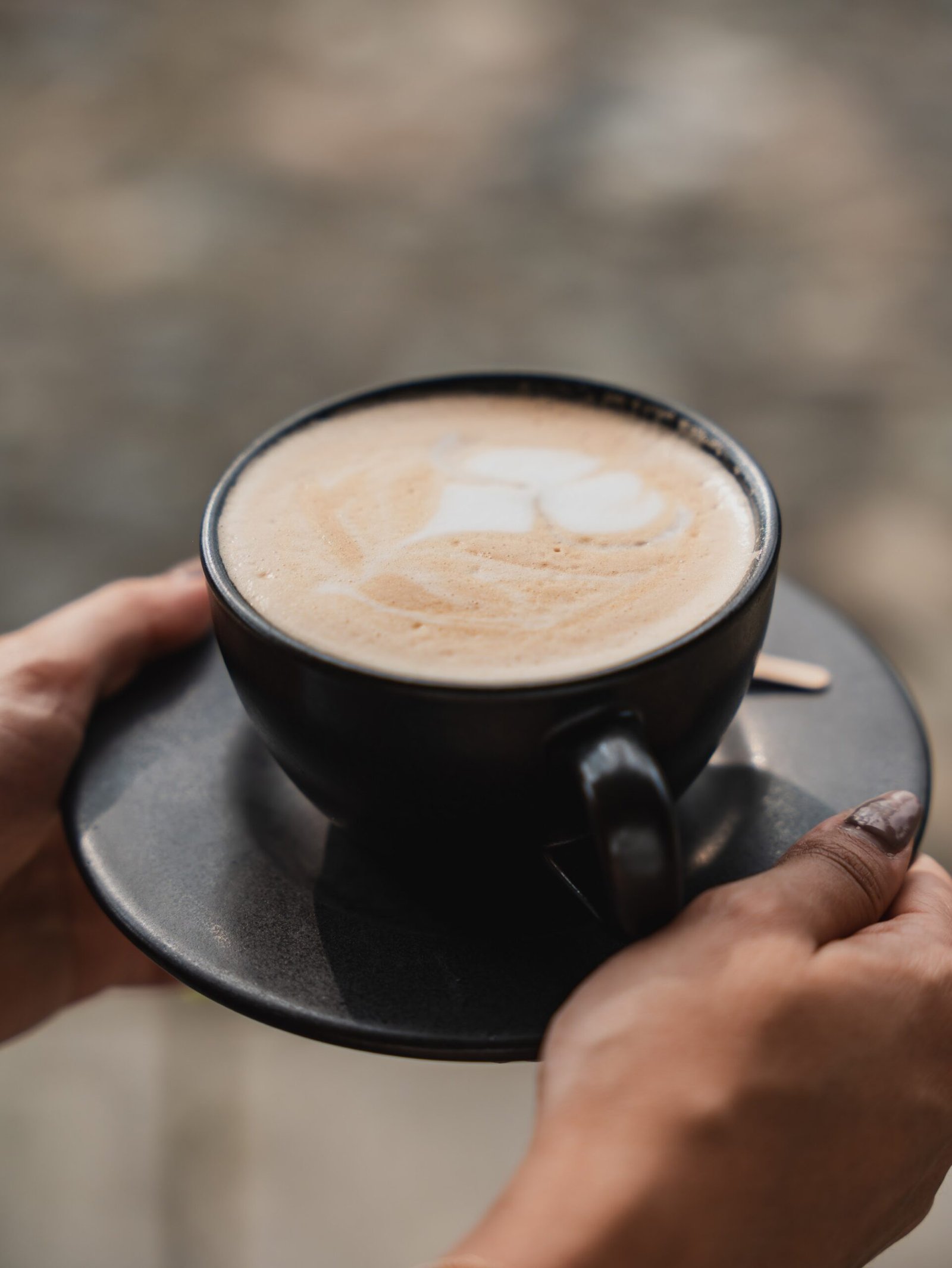
Finally, the cupping: slurp, breathe, compare. You begin to name notes of panela, red fruit, cacao or orange blossom. Once you can do this, every cup afterwards tastes different.
How to choose a coffee farm visit
- Small groups. You want to ask questions and taste, not follow a flag.
- Full process. Pick a tour that covers harvest, processing, roasting and cupping.
- Morning timing. Cooler light, better air and a more relaxed pace.
- Pair it with a meal. The best days end at a table where the coffee region is cooked, not just poured.
Basto: where the coffee region reaches the table
This is where the experience becomes a way of living. At Basto, chef María Clara builds a kitchen around the place itself: local produce, seasonal rhythm and a respect for ingredients that comes from knowing where they grew. The dining room opens to the forest, so the setting is part of the flavor.
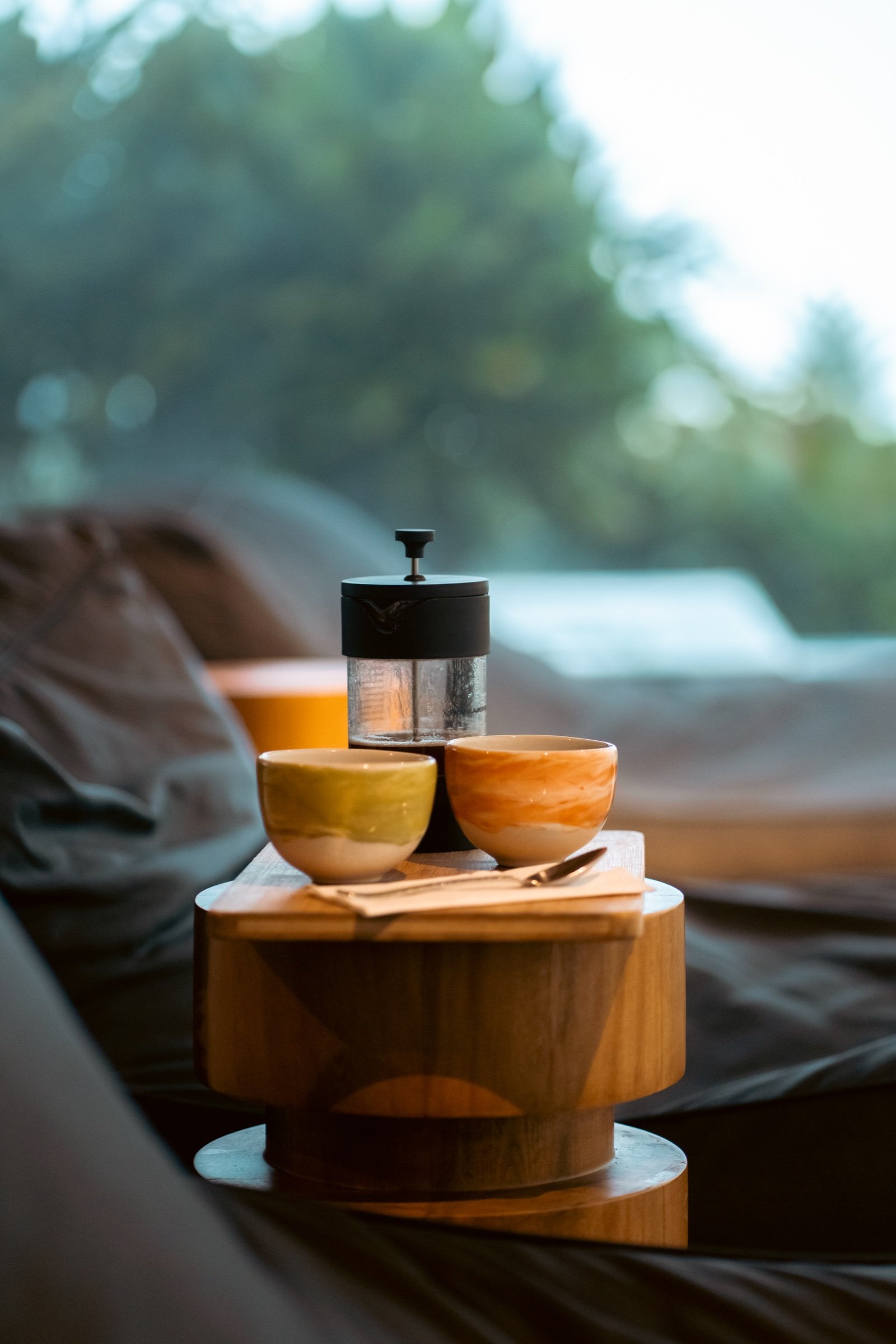
Coffee here is not an afterthought. A well-chosen cup closes a meal the way a good ending closes a story: it clears the palate, deepens the memory of the dishes and slows the evening down. Ask the team which regional coffee they are pouring, and let it guide dessert.
Pairing ideas for a coffee-led day
- Morning: a farm visit and cupping, then back to the hotel for a slow lunch.
- Afternoon: time in nature or at the Bio Spa. Our wellness retreat guide shows how to build that rest into your stay.
- Evening: dinner at Basto, finishing with a regional coffee and the sound of the forest.
Staying where architecture, nature and flavor meet
A coffee experience is richer when the place you sleep belongs to the same story. Our habitats are designed in dialogue with the native forest, so mornings begin with views, birdsong and the smell of coffee drifting from the kitchen. If you are traveling as a couple, see how this fits into a longer itinerary in our honeymoon in Quindío guide.
Practical tips for your coffee experience
- Best season: harvests peak at different times by altitude, and the region is lovely year-round; ask your hosts what is being picked during your dates.
- What to bring: closed shoes for farm paths, a light rain layer and curiosity.
- Taking coffee home: buy whole bean from the farm or roaster, and ask for the roast date.
- Dietary needs: tell the Basto team in advance so the menu can be shaped around you.
Frequently asked questions
What is the best coffee experience in Colombia’s coffee region?
One that follows the full process, from the plant to the cupping, in a small group, and that ends with a meal where the same region is on the plate.
Do I need to book a farm tour in advance?
Yes, especially in high season. Your hotel can help arrange a visit that suits your dates and pace.
Is Basto open to non-guests?
Plan ahead and check availability with the team through the Basto page.
The cup as an invitation
Understanding coffee changes how you travel. You begin to notice the shade, the hands, the time. You taste a place instead of just visiting it. In Quindío, that invitation is easy to accept: a farm in the morning, the forest in the afternoon, and a table at Basto at night, built from architecture that listens to nature, art that tells its story and a kitchen that honors it all.
Curated with passion for the details that make a place unforgettable. A way of living.