
If you are searching for the best things to do in Salento Colombia, you will find long lists that run from the main street to the valley and back. This guide is different. It is a curated way to read two neighbouring towns, Salento and Filandia, and the green country between them, written from Quindío by someone who lives here and loves it.
Both towns sit in Colombia’s coffee region, in the Andes, a short drive from Armenia. Both have colourful balconies, coffee in every doorway and mountain light that changes by the hour. They feel different, though, and knowing how will help you plan days that do not blur together.
How to think about Salento and Filandia
Salento is the famous one. It is lively, photogenic and busy, especially on weekends and holidays. Filandia is quieter, more local and slower. Our advice is simple: do not choose between them. Give each its own day, and give yourself a third day to do almost nothing.
If you are still deciding which one deserves more of your time, read our companion piece, Filandia vs Salento: The Quieter Alternative in Colombia’s Coffee Region. This guide builds on it and widens the frame.
Things to do in Salento
1. Walk the Calle Real early
Salento’s main pedestrian street, the Calle Real, is lined with artisan shops, cafés and painted façades. Go early in the morning, before tour groups arrive. The light is soft, the shopkeepers are opening up, and you can actually look at the craftwork: woven bags, wooden toys, ceramics and handmade jewellery.
2. Climb to the Mirador
At the end of the main street, a stairway rises to a viewpoint over the valley. It is a short climb and a rewarding one. Go in the late afternoon, when the hills turn gold, and stay for a few minutes of quiet before heading down for dinner.
3. Spend a morning in the Cocora Valley
The Cocora Valley is the landscape most travellers picture when they think of Quindío: tall wax palms rising out of green pasture and cloud forest. Plan this early. Mornings tend to be clearer, and the trail is calmer before midday. Wear proper shoes, bring a light rain layer, and treat the walk as a slow immersion in the mountain rather than a checklist item.
4. Taste coffee where it grows
A coffee farm visit is one of the most meaningful things to do in this region. You walk among the plants, learn how the cherry becomes the bean, and taste the result minutes later. Choose a small, family-run farm over a large production visit. The conversation is better, and you leave understanding why coffee here is part of the culture and not only a product.
5. Eat a late lunch in town
Local trout and patacones are classic regional dishes in Salento. Take your time. Lunch in the mountains is a ritual, not a refuelling stop.
Things to do in Filandia
1. Wander without a plan
Filandia rewards slowness. Its streets climb and fall gently, and its balconies, doors and hand-painted details make a walk feel like a gallery visit. Stop where something catches your eye.
2. Watch the sun go down from the viewpoint
Filandia’s lookout tower, the Mirador Colina Iluminada, rises above the treeline with a wide view over the valley. It is a favourite for sunset, and it is quieter than most of its counterparts in the region.
3. Browse the craft shops
Filandia is known for basketry and woven goods made by local artisans. If you want to bring something home that was truly made here, this is the place to look.
4. Sit down for coffee
The town’s cafés are small, personal and proud of their origin. Order a coffee, ask where it comes from, and let the answer start the conversation.
A three-day rhythm that works
- Day 1, Salento: Calle Real early, coffee farm late morning, lunch in town, Mirador at golden hour.
- Day 2, Cocora Valley: an early walk among the palms, then a slow afternoon back at your hotel.
- Day 3, Filandia: a leisurely morning in town, crafts, a long lunch and sunset at the viewpoint.
This pace leaves room for what travellers often remember most: the pauses between the highlights.
The best time to go
The coffee region is green all year, which is part of its charm. Drier periods tend to make hiking easier, while rainier months bring misty, dramatic scenery. Weekdays are calmer than weekends in both towns. If you can travel mid-week, do.
Why your base matters
Most visitors treat the hotel as a place to sleep between sightseeing days. We think it should be part of the journey. After a full day of walking, driving and tasting, coming home to somewhere calm changes how the whole trip feels.
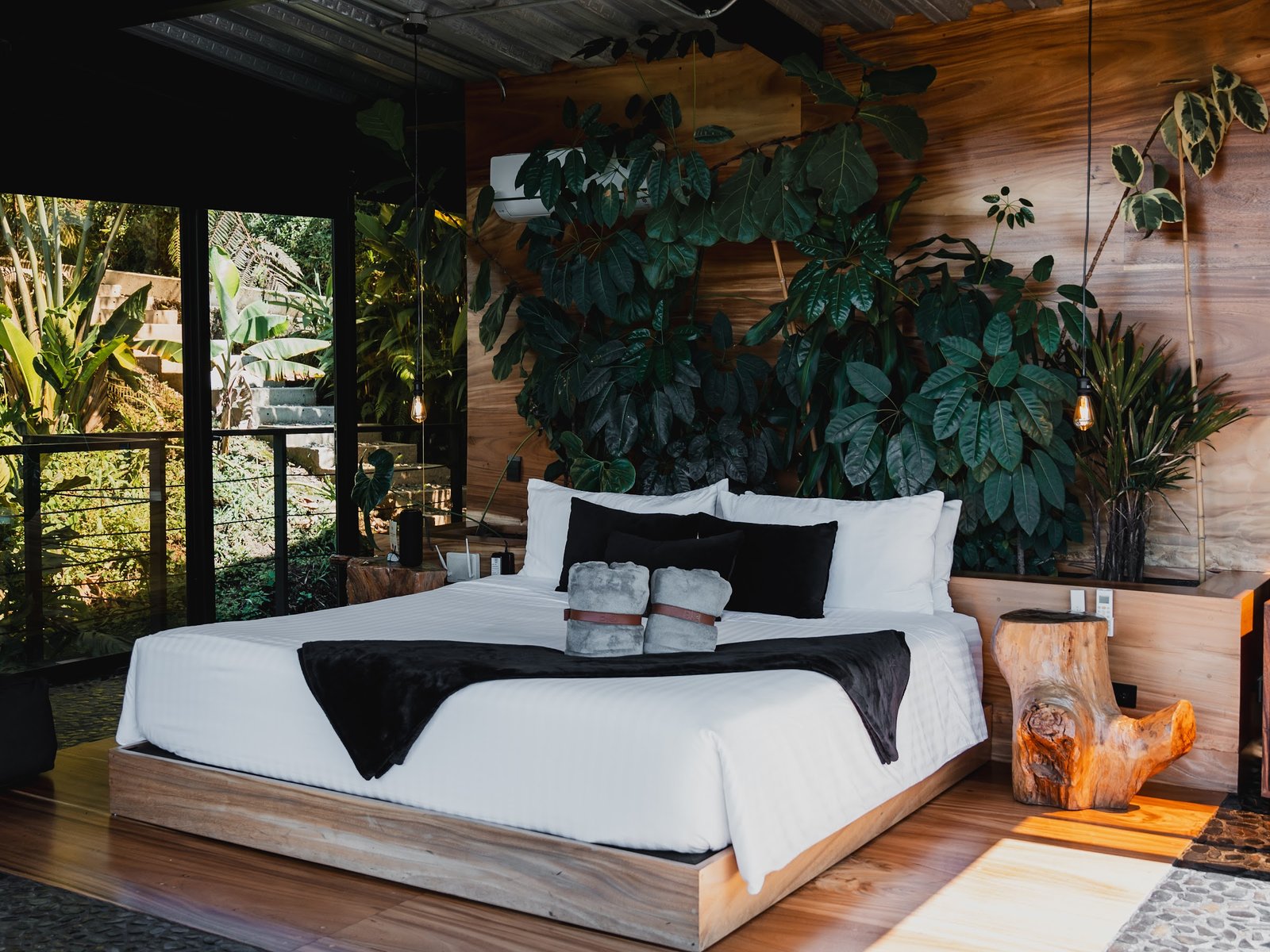
At Biohabitat Hotel, our habitats are designed around native forest, natural materials and mountain views. It is architecture that listens to the landscape you came to see. When you are ready for something slower, the Bio Spa Wellness is a natural complement to days on the trail. If you want to unwind after a long Cocora morning, read our guide to a wellness retreat in Colombia’s coffee region.
Eat well between excursions
Food is half the pleasure of travelling here. At Basto, chef María Clara builds a table around local ingredients and regional coffee, and our story The Coffee Experience at Basto: From Bean to Cup explains how that thinking works. It is a good way to end a day that began among coffee plants.
Practical tips
- Start early. Mornings are clearer, calmer and kinder to photographers.
- Carry a light rain layer. Mountain weather changes quickly.
- Travel mid-week if you can, to enjoy both towns with fewer crowds.
- Buy local. Crafts and coffee bought directly from makers keep the culture alive.
- Leave a free afternoon. It is often the best part of the trip.
Plan your Quindío journey
Our Discover Quindío page gathers more ideas for the region, from the coffee landscape to cultural experiences. If you are travelling as a couple, our honeymoon itinerary in Quindío shows how to connect these places into a romantic journey. And if design is your passion, discover how architecture inspired by the forest shapes the way we host.
Salento and Filandia are two of the most charming towns in Colombia, but they are at their best when you let them set the pace. Walk, taste, look up at the palms, and come home to a place that feels like part of the landscape. That is how we understand travel, and how we live it every day.
Biohabitat Hotel: architecture, nature, art, cuisine and wellness. A way of living.