
There are landscapes you photograph and landscapes you walk into. The Cocora Valley experience belongs to the second kind. Above the town of Salento, in the heart of Quindío, the mountains fold into a cloud forest where wax palms, Colombia's national tree, rise like pillars out of the mist. This is a guide to seeing it with intention: at the right hour, at the right pace, and with a quiet place to return to afterwards.
What makes the Cocora Valley different
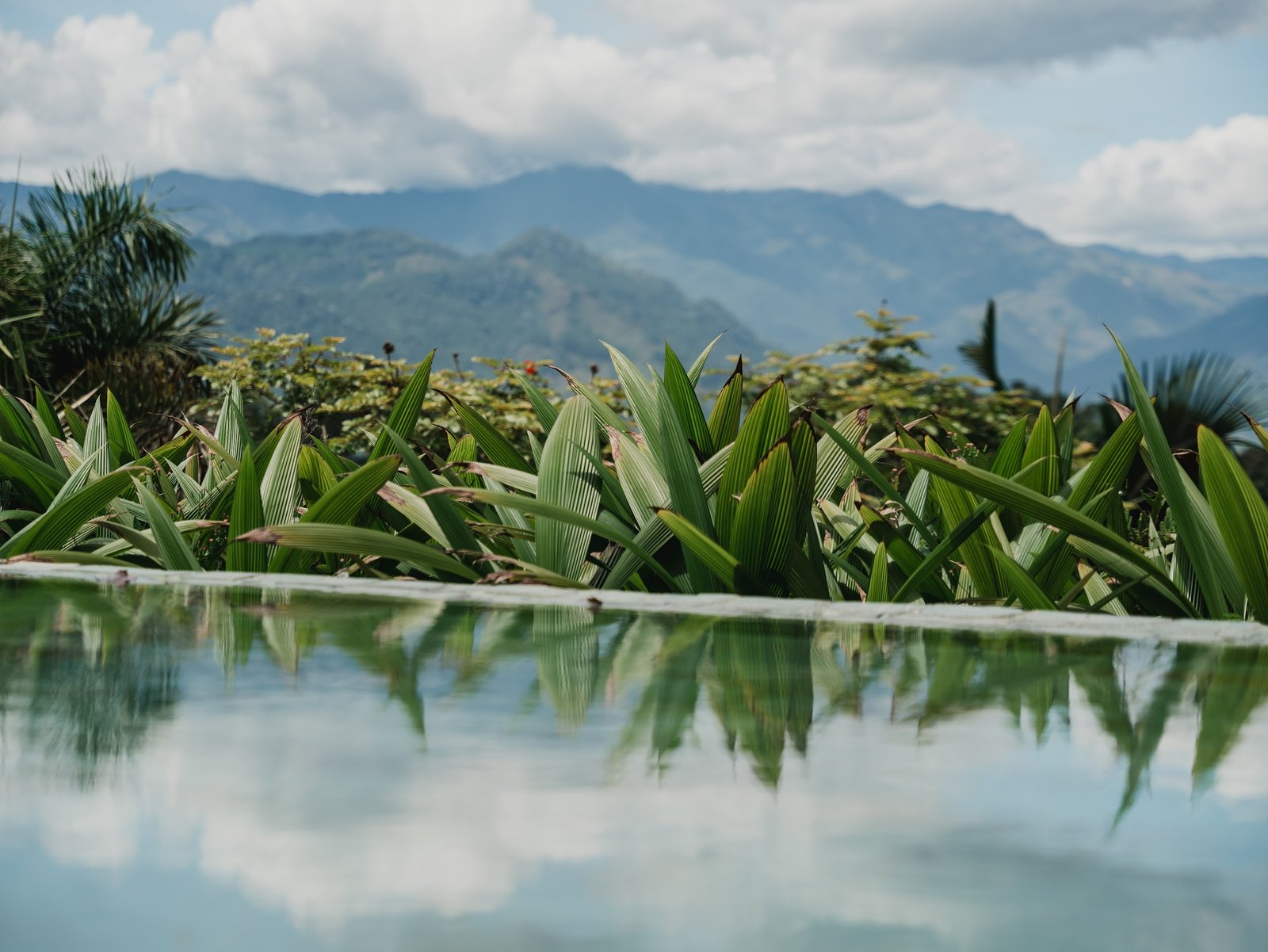
The wax palm (Ceroxylon quindiuense) is among the tallest palms in the world, and it grows here at altitude, in a valley of pastures, streams and Andean cloud forest. Standing among them, the scale shifts. Trunks that look slender from a distance are towers when you are underneath. Cattle graze below, clouds move through the crowns, and the light changes every ten minutes.
That combination of open meadow and dense forest is what makes the valley feel less like a viewpoint and more like a place to spend a morning. It is also a reminder of how much the coffee region is shaped by its native forest, a theme we keep returning to at Biohabitat.
Choosing your way in: on foot or on horseback
There are two classic ways to experience the valley, and they suit different rhythms.
The walking loop
The most popular route is a loop that climbs through cloud forest, crosses streams on simple bridges, and returns through the palm meadows. Plan for several hours, sturdy shoes and a layer for the rain. The trail can be muddy, and conditions change quickly with altitude. If you enjoy a longer outing, the loop rewards you with forest silence and a very different feeling from the postcard view.
Horseback through the palms
If you prefer to move slowly and keep your energy for the views, local guides offer horseback rides across the meadows and between the palms. It is a gentler way to take in the valley, and it connects you with the rural traditions of the region. Choose a guide who treats the animals well and lets you set a calm pace.
A slow day plan
- Early morning: travel from Salento in the classic open jeeps that leave from the main square. Arriving early means clearer skies and fewer visitors.
- Late morning: walk or ride through the valley. Stop often. Let the mist do its work.
- Midday: eat something simple near the entrance, then head back down toward town.
- Afternoon: wander Salento's craft streets or continue to its quieter neighbor. If you are choosing between the two towns, read our comparison of Filandia vs Salento.
- Evening: return to a table and a bed that match the pace of the day.
For the full picture of towns, viewpoints and slow afternoons, our curated guide to things to do in Salento and Filandia pairs naturally with this one.
Practical notes that make the difference
- Weather: mornings are usually clearer; afternoons often bring cloud and rain. Pack a light waterproof layer in any season.
- Altitude: the valley sits high enough that you may feel it on climbs. Drink water and take your time.
- Footwear: waterproof or quick-drying shoes are worth it on the forest trail.
- Respect the place: stay on marked paths, carry out what you carry in, and keep distance from the palms' root zones, which protects the young trees.
Returning to a place that listens to the forest
After a day among the wax palms, what you want is not noise but quiet. At Biohabitat, our habitats are designed to sit inside the native forest, with terraces, glass and local materials that keep the mountain close. You can see how that works in our story of architecture inspired by the forest, or explore the habitats directly.
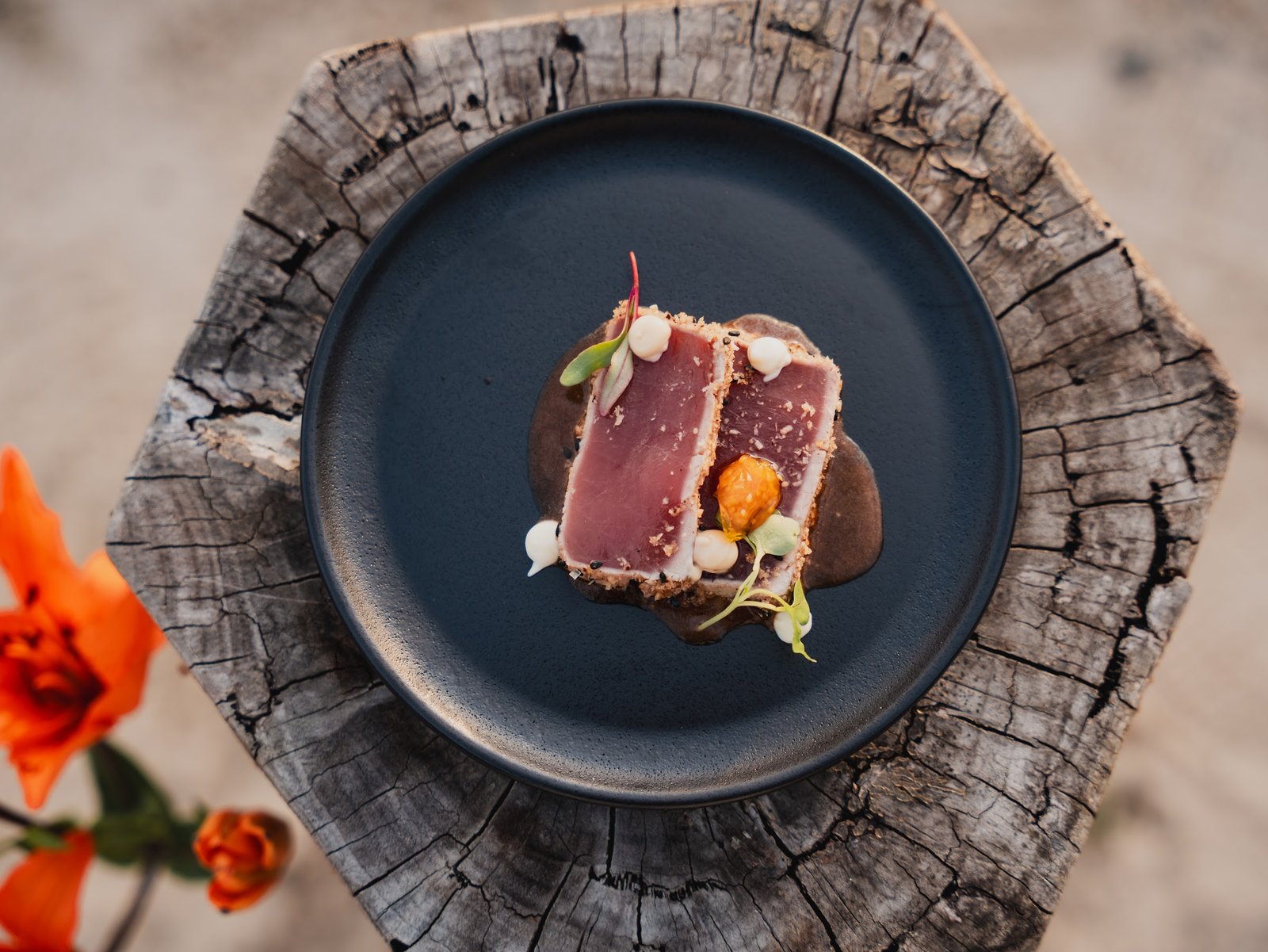
Dinner matters here too. At Basto, chef María Clara's kitchen draws on the region's produce, and you can read how coffee and cuisine meet in The Coffee Experience at Basto. If your legs are tired from the trail, the Bio Spa is the natural next stop, and our wellness retreat guide explains how to build a restorative stay around it.
How to fit Cocora into a longer stay
Cocora is best treated as one chapter, not the whole book. A well-paced stay in Quindío might give one day to the valley, one to coffee and cuisine, one to the spa and the forest around you, and one to the towns. If you are traveling as a couple, our honeymoon itinerary through Quindío shows how those days can fit together. For more on the destination as a whole, visit Discover Quindío.
Frequently asked questions
How much time should I plan for the Cocora Valley?
Give it a full morning at minimum. The walking loop takes several hours, while a horseback ride can be shorter. Start early either way.
Is the Cocora Valley worth it if I only have a few days in the coffee region?
Yes. It is one of the most distinctive landscapes in Colombia and sits within easy reach of Salento. Pair it with a slow afternoon and an unhurried evening.
What is the best time of day to go?
Mornings, when skies tend to be clearer and the valley is calmer.
The valley, and what it teaches
The wax palms grow slowly, in their own time, sustained by the forest around them. It is a good lesson for travel: the places that stay with you are the ones you did not rush. Walk among the palms, ride through the meadows, then come home to architecture, cuisine and rest that echo the same patience.
Biohabitat Hotel: a way of living.