
Every traveler who lands in Colombia’s coffee region is told the same thing: you must do a coffee farm tour. It is good advice and incomplete advice. A coffee farm tour can be a forty-person walk behind a megaphone, or it can be a slow morning with someone who has picked cherries since childhood. The difference is rarely on the booking page. It is in the questions you ask before you go.
This guide is written from Quindío, the smallest department of the Coffee Cultural Landscape, and it is meant to help you choose a curated coffee farm tour rather than simply the best-known one. We are not selling a single farm here. We are sharing the way we look at the experience, as people who live among these mountains and receive guests who care about craft.
Why a coffee farm tour in Colombia’s coffee region still matters
Coffee here is not a backdrop. It shapes the calendar, the architecture of the old farmhouses, the food on the table and the rhythm of the towns. Walking a farm lets you understand the whole chain in a few hours: shade trees, ripe red cherries, the washing and drying stations, the roasting and finally the cup.
For international travelers, especially from the USA and Europe, it is also the most honest entry into the region’s culture. You meet the families, you smell the fermentation, and you realize that the cup you drink at home started on a steep slope like this one.
What “curated” actually means
The word is overused, so let us define it. In our view, a curated coffee farm tour has five qualities:
- Small groups. Eight people or fewer lets you ask questions and actually touch the plants.
- A producer or trained guide who knows the farm. Not a script, but a person who can tell you why this plot gets morning sun and that one doesn’t.
- The full process, not just the tasting. From the nursery to the drying beds to the roast.
- A real tasting. Cupping, or at least side-by-side brews, with time to compare and talk.
- Room to breathe. No rushing to the next bus. The best tours leave space for a coffee on the porch.
Questions to ask before you book
You can read a tour in three or four messages. Ask these:
- How many guests join the same visit?
- Is this a working farm, and do the owners or workers lead the walk?
- What varieties are grown, and at what altitude?
- Do we taste more than one preparation?
- How long is the experience, and is transport included?
If the answers are vague, keep looking. If they are specific and generous, you have probably found a good one.
The best time of day
Go in the morning. The light is soft on the plantations, the air is cooler and the farms are at their most alive. You will also be back for a long lunch and an afternoon of rest. Quindío rewards unhurried itineraries, and a coffee farm tour pairs best with a slow second half of the day rather than a packed one. If you are still planning your dates, our month-by-month guide to the best time to visit Colombia’s coffee region will help you choose a season.
How to pair the farm with the rest of your day
A tour is more memorable when it has context on both sides. Some ideas that work well together:
- Before: a quiet breakfast, something light, so you arrive curious rather than full. Fresh fruit, good bread, a first cup.
- After: a country lunch. In Quindío that often means fried plantains with fresh tomato sauce, which is simple, local and excellent.
- Later: a long rest. Our guests often finish the day in the spa, letting the altitude and the walking settle.
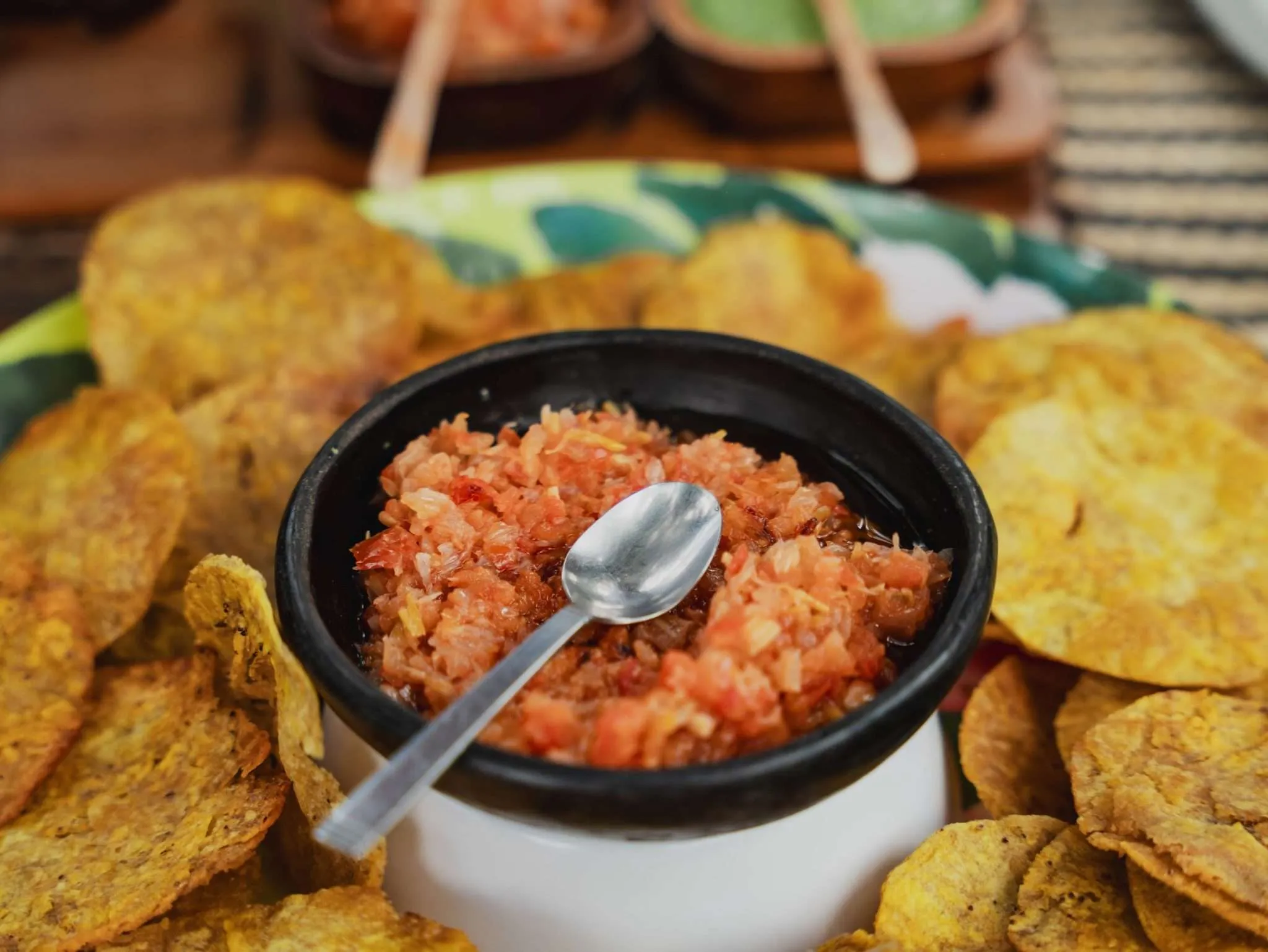
From the farm to the table at Basto
The most natural continuation of a farm visit is a meal that treats coffee as part of a culinary culture, not just a drink. At Basto, our restaurant, breakfast runs from 7 to 10 a.m. and the kitchen is built around fresh, regional ingredients plated with care. We wrote about that approach in The Coffee Experience at Basto: From Bean to Cup, which is a good companion read to this guide.
If you like the idea of tasting a region through its food, you may also enjoy our notes on the wellness retreat experience in Colombia’s coffee region, where mindful cuisine is part of the story.
Salento, Filandia and the farms around them
Most coffee farm tours in the region cluster around Salento, Filandia and the roads between them. That is convenient, and it means you can pair a morning on the farm with an afternoon in town. Our curated guide to things to do in Salento and Filandia maps out how to do that without feeling rushed, and Filandia vs Salento will help you decide where to spend your time.
A note on expectations
A good farm tour is not a performance. Expect mud on your shoes in the rainy months, some uphill walking and a few honest answers about how hard coffee is to grow. That is exactly why it is worth doing. Wear closed shoes, bring a light layer, and let the guide set the pace.
It is also worth remembering that harvest seasons vary by altitude and year. The main picking periods differ between farms, so ask the farm directly what you will see during your dates.
Arranging it from the hotel
We coordinate guided experiences around Quindío for our guests, from Cocora Valley and horseback rides to local visits, and our team can help you shape a day that fits your pace. You can see what is possible on our Discover Quindío page. After a day of travel and flavor, you return to your habitat in the forest, where the evening is quiet and the mountains do the talking.
Our short checklist
- Small group, working farm, real guide.
- Morning visit, unhurried afternoon.
- A tasting with more than one preparation.
- A table afterwards where the coffee story continues.
- A place to rest that lets the day sink in.
Choose the experience that leaves you with a story rather than a souvenir. In Colombia’s coffee region, the best cup is the one you drink slowly, knowing where it came from.
Curated with passion for architecture, nature, art, cuisine and wellbeing. Biohabitat Hotel: a way of living.