
The Cocora Valley hike is the walk most people picture when they imagine Colombia’s coffee region: impossibly tall wax palms rising out of green pasture, with cloud forest folded into the mountains behind them. It is also a walk that rewards preparation. Go at the wrong hour, in the wrong shoes, with no plan for the mud, and a landscape that should feel like a gift turns into a checklist.
This is the complete guide we would give a friend. It covers the route, the timing, what to carry, how to reach the trailhead from Salento, and, because we think the walk is only half of the experience, how to arrange the days around it so that you come back to something quiet. If you want the more narrative version of the valley, with horseback and cloud forest, read our Cocora Valley experience story first. This guide is the practical companion.
What the Cocora Valley actually is
Cocora sits in the Quindío highlands, in a valley that belongs to the wider Los Nevados area. Its signature is the Quindío wax palm, Colombia’s national tree, which can grow taller than almost any palm on earth. Seen in the early morning, with mist lifting off the grass, the palms look less like trees and more like a drawn line between earth and sky.
The valley is not a single viewpoint. It is a loop, and the loop changes character as you walk: open pasture first, then a river valley with wooden bridges, then a climb through humid cloud forest, then a return through the palms. Understanding that arc is the key to pacing yourself.
Getting there from Salento
Most visitors reach the trailhead from the colonial square of Salento, where brightly painted Willys jeeps wait to carry passengers up the valley road. The ride takes roughly half an hour, and it is part of the experience: you stand on the back or sit inside, and the road drops and climbs through farmland. Jeeps leave when full, so the earlier you arrive, the shorter the wait.
If you are planning the surrounding days, our curated guide to Salento and Filandia explains how to fold the town into the same trip without turning it into a rush.
The route, in the order you will feel it
1. The first stretch: pasture and river
The trail begins gently. You walk alongside pasture and then follow a river, crossing it several times on narrow wooden bridges. This is the easy part, and it is tempting to hurry. Don’t. The light is best now, the air is coolest, and you will want your energy for what comes later.
2. The climb: cloud forest
The path then turns uphill into dense, humid forest. This is the demanding section. Expect roots, mud and steady elevation gain, with the canopy closing in overhead. It is also the most biologically rich part of the walk. If you slow down you will hear birds long before you see them.
3. The reward: the palms
Emerging from the forest onto open slopes, you meet the palms at close range. From here the descent is wide and scenic, with the tallest trees standing in the pasture below. Many walkers take the loop in one direction or the other, and either way the approach to the palms is the part that stays with you.
Plan on roughly five to six hours for the full loop at an unhurried pace, plus time for photographs and a pause at the viewpoints. A shorter out-and-back to the palm meadow is possible for those who prefer not to climb into the forest.
When to go
Go early. Mornings are clearer, cooler and less crowded, and afternoon cloud often rolls in. Our month-by-month guide to the best time to visit explains how the rainy and dry seasons change the walk, and why a drier month does not always mean a better one: a misty morning can be the most beautiful version of the valley.
What to bring
- Waterproof hiking shoes or boots with grip. Mud is not an exception here; it is the rule.
- A light rain jacket. Weather in the highlands changes quickly.
- Layers. It is cool at altitude, and you will warm up on the climb.
- Water and a simple snack. You will be walking for hours.
- Sun protection. The sun is strong in the open meadow even on cloudy days.
- Cash in small notes for entry, jeeps and small stops along the way.
Slow-down tips that change the walk
The difference between a good Cocora day and a great one is rarely fitness. It is attention. Start early, stop at the first bridge and simply listen. Leave your phone in your pocket for the entire forest section. Walk at the pace of the slowest person in your group. Eat something real when you finish.
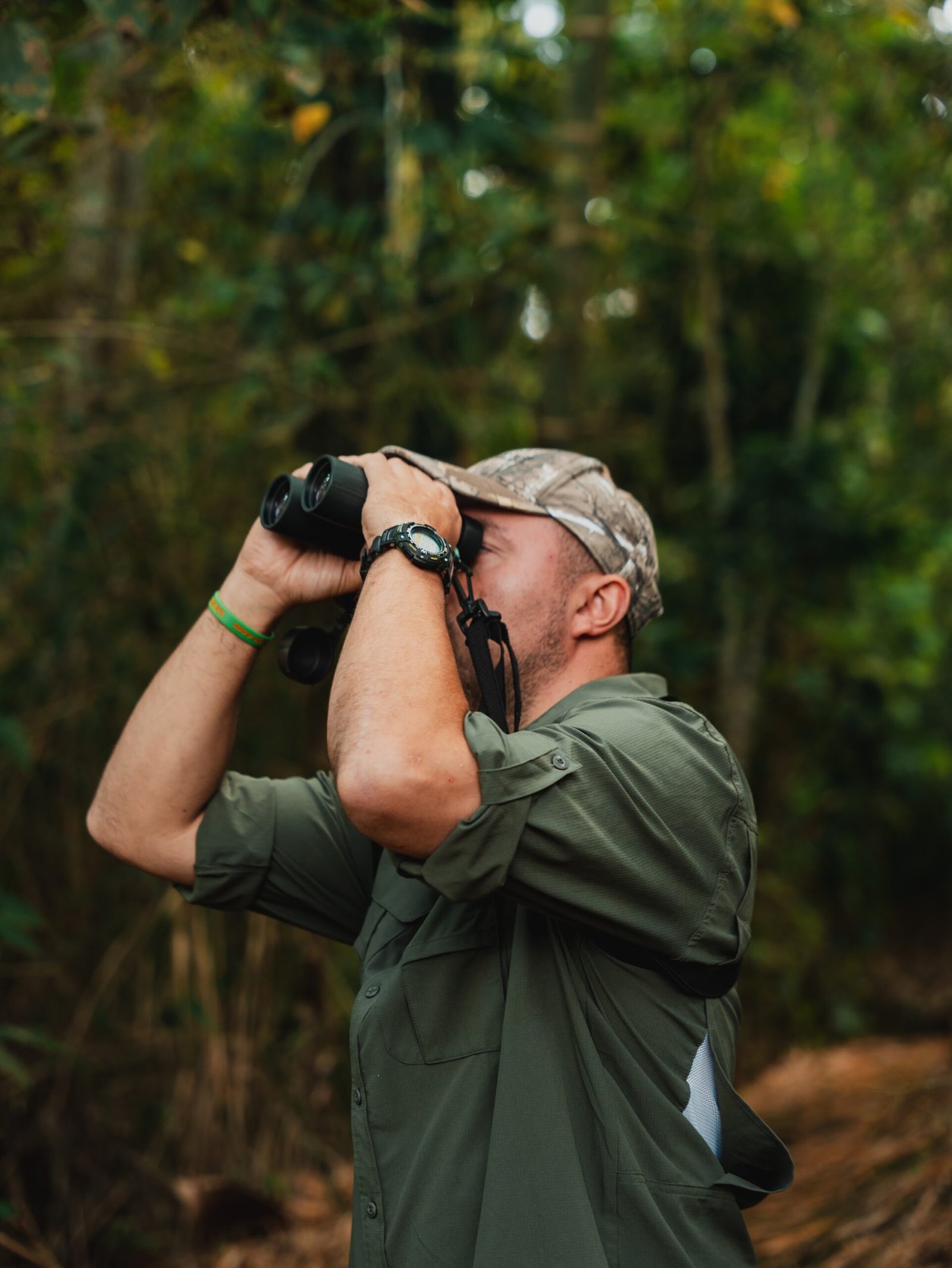
And keep some time for the quieter side of the same landscape. In the forest around our own hotel, a local guide leads bird watching on Friday mornings along an interpretive trail, a gentle way to learn the same cloud-forest ecosystem without the mileage.
Is Cocora worth it if you don’t love hiking?
Yes, with the right version. The shorter palm-meadow walk gives you the iconic view with a fraction of the effort. A horseback ride across the green slopes is another way in. The point is not to prove anything on a trail; it is to stand in the presence of an unusual landscape and let it slow you down.
After the hike: where you sleep matters
A long day on a mountain trail deserves a considered return. We designed our habitats for exactly this: floor-to-ceiling views of the forest, natural stone, wood and quiet, with a Bio Spa nearby for the legs that have just climbed through cloud forest. You can read more about the architecture behind this in Architecture Inspired by the Forest.
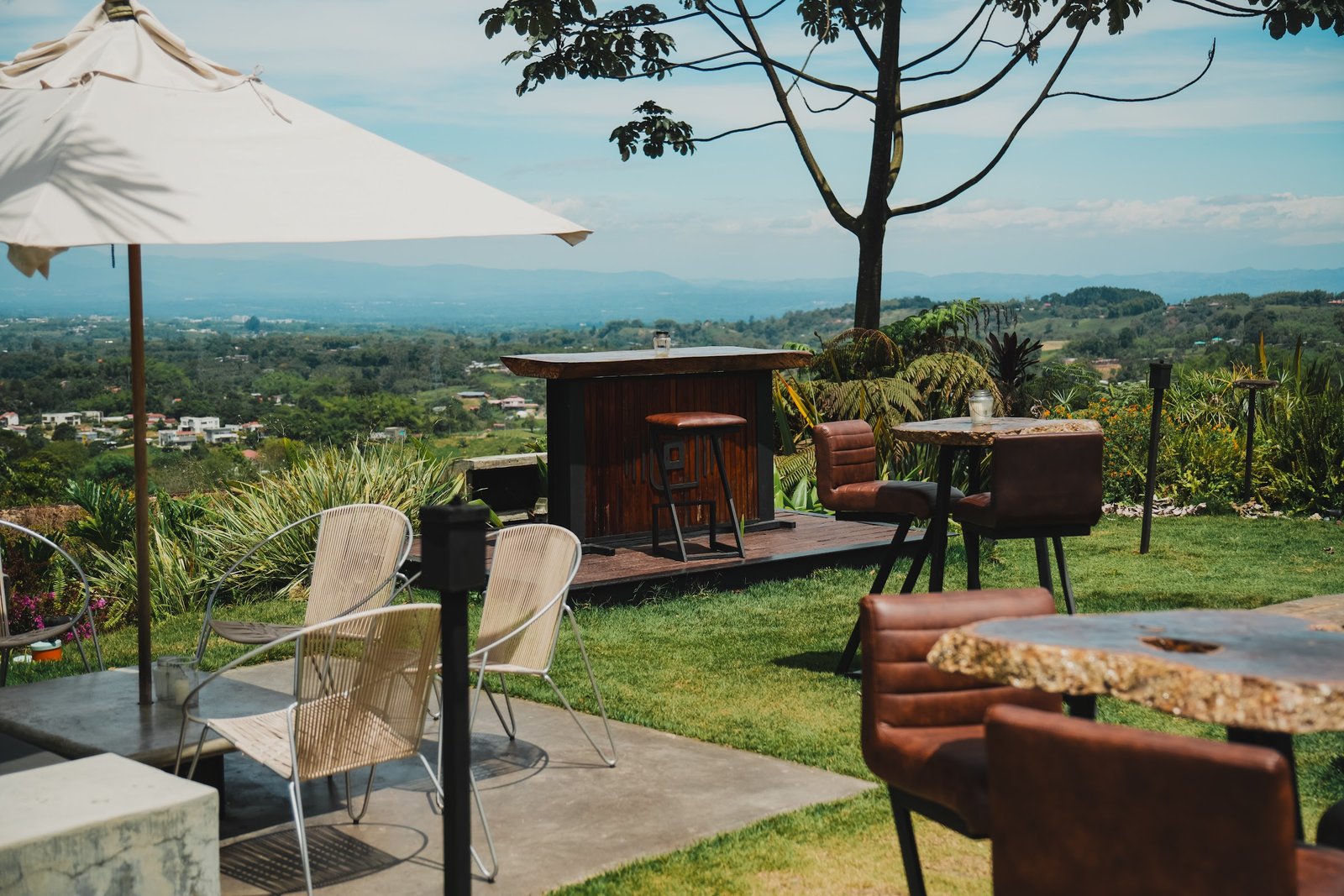
On the terrace, with the valley open in front of you, the day’s walk settles into memory. This is the part of a trip that guidebooks leave out and that guests mention most.
A massage for the walker
Our Bio Spa is the natural counterpart to a day of trail. After hours of climbing, a treatment in a room that looks out onto vegetation is not an indulgence; it is the proper end of the walk. Our wellness retreat guide explains how to build a stay around it.

A simple three-day way to build it
- Day 1, arrive slowly. Settle into your habitat, walk the hotel’s own forest path, dine at Basto, and sleep early.
- Day 2, Cocora. Leave early for the valley, walk the loop, and be back by late afternoon for the spa.
- Day 3, the towns. Visit Filandia or Salento at an easy pace; our Filandia vs Salento comparison helps you choose.
For ideas on how to plan the wider trip, our Discover Quindío page gathers the destination in one place, and the habitats page shows where you can base yourself.
Frequently asked questions
How long is the Cocora Valley hike?
The full loop typically takes around five to six hours at a relaxed pace, plus stops. Shorter options exist if you prefer to see only the palm meadow.
How difficult is it?
Moderate. The distance is manageable, but the forest climb is steep and often muddy. Good footwear matters more than athletic ability.
Do I need a guide?
The main loop is well marked and many people walk it independently. A guide adds natural-history context and is a good idea if you are interested in birds and plants.
What is the best time of day?
Early morning, when the air is clear and the trail is quiet.
The way we think about a walk like this
We do not think of Cocora as a bucket-list tick. We think of it as one chapter in a longer rhythm: a morning among the palms, an afternoon of stillness, a table that tastes of the place, a night of real sleep. Architecture that opens to the forest, art that makes you look twice, food that belongs to its soil, and a body that has been looked after. That rhythm is what we mean when we talk about how we live here.
Biohabitat Hotel: where architecture, nature, art, cuisine and wellness meet. A way of living.