
There is a particular kind of trip that two people take when they are tired of itineraries. They do not want to see everything. They want to see each other, in a place beautiful enough that conversation comes easily and silence does too. If that is the trip you are imagining, a couples retreat in Colombia’s coffee region is worth your attention.
I am Antonella, and I have spent years walking Quindío as a destination ambassador: its coffee towns, its valleys, its tables, its quiet corners. This guide is not a checklist. It is a way of shaping three or four days so that the two of you leave feeling closer, rested and a little more curious about the life you share.
What makes a couples retreat different from a honeymoon or a weekend away
A honeymoon carries the weight of a milestone. A weekend away carries the weight of a deadline. A retreat carries neither. It is a deliberate pause, and it works best when the place does part of the work for you.
In practice, that means four things. The setting should be calm enough that you do not need to plan around crowds. The days should have a gentle rhythm, with something to do and plenty of nothing. The food should be worth sitting down for. And there should be a few shared rituals, small things you do together that you remember long after the photographs fade.
Colombia’s coffee region does this unusually well. Quindío sits in the Andes at a comfortable altitude, with soft light, green hills, and a culture of hospitality that is warm without being performative. If you are still deciding on timing, our month-by-month guide to the best time to visit Colombia’s coffee region will help you choose the season that suits you both.
Choosing where to stay: the place is half the retreat
For a couples retreat, where you sleep shapes everything. A large, busy resort asks you to share it with hundreds of strangers. A hostel in town asks you to adapt to the town’s schedule. What most couples want sits somewhere in between: a small, design-led place with privacy, views and a sense of care.
At Biohabitat Hotel, we call our accommodations habitats, because they are built to live inside the landscape rather than sit on top of it. Glass, steel, natural stone and wood open toward native forest. You wake to birdsong and green light, not traffic. You can explore the habitats to see how each one frames the view differently, from forest canopy to valley horizon.
If you want a broader framework for choosing, our design-led guide to where to stay in Colombia’s coffee region walks through architecture, landscape, table and quiet as the four criteria that matter most.
Day one: arrive, exhale, and do almost nothing
The mistake most couples make is scheduling the first afternoon. Resist it. After the travel, what you need is to let your shoulders drop.
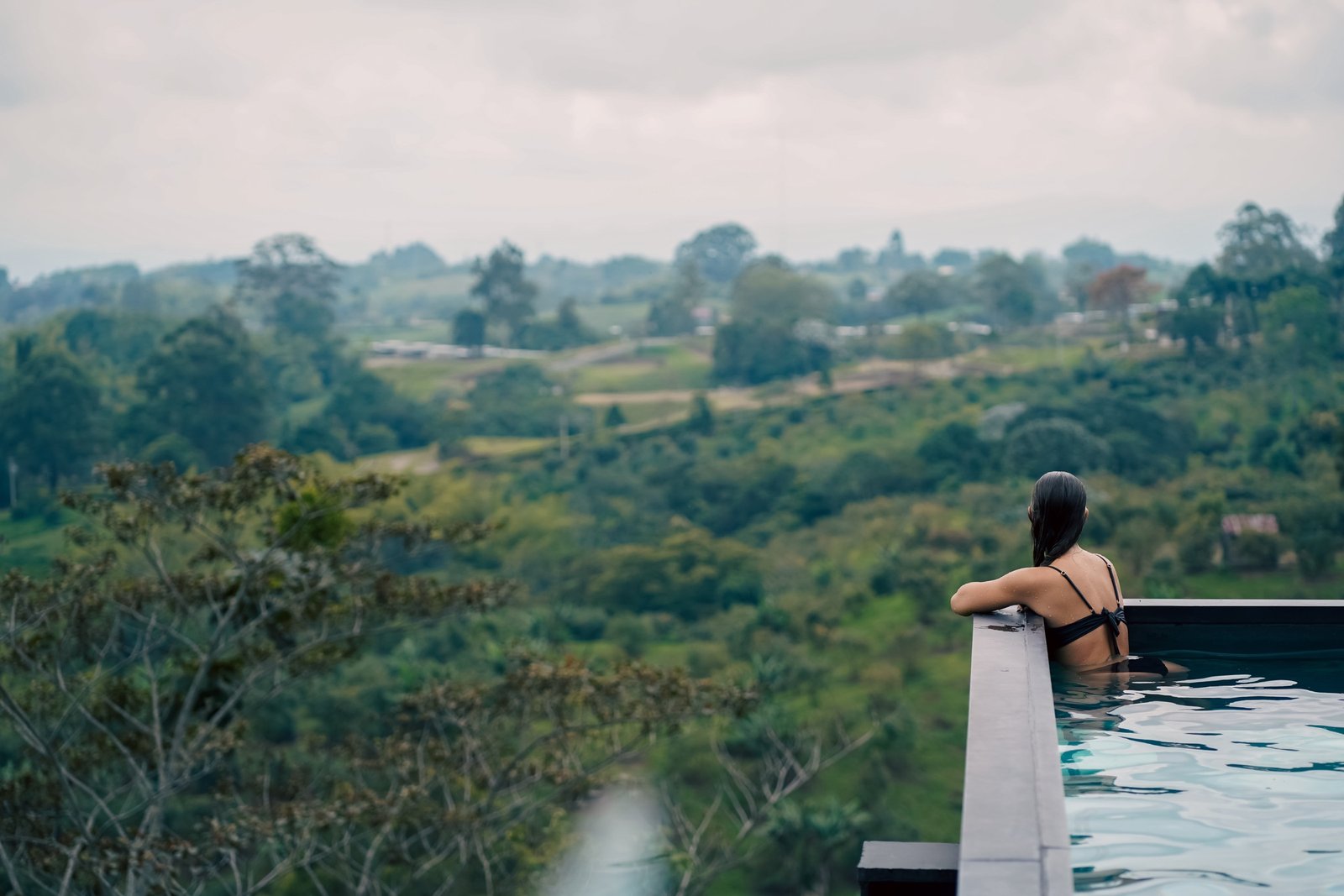
Arrive, settle into your habitat, and walk the grounds slowly. Watch the light change over the valley. If the weather is clear, the pool terrace is the natural place to land, with a cold drink and nowhere to be. Many couples tell us this first hour is when the trip truly begins.
As evening comes, the hills turn gold and then blue. Sit outside. Let the day end without a plan.
Day two: a spa day built for two
If there is one anchor to a couples retreat, it is time at the spa. Not a rushed treatment squeezed between activities, but a whole unhurried day.
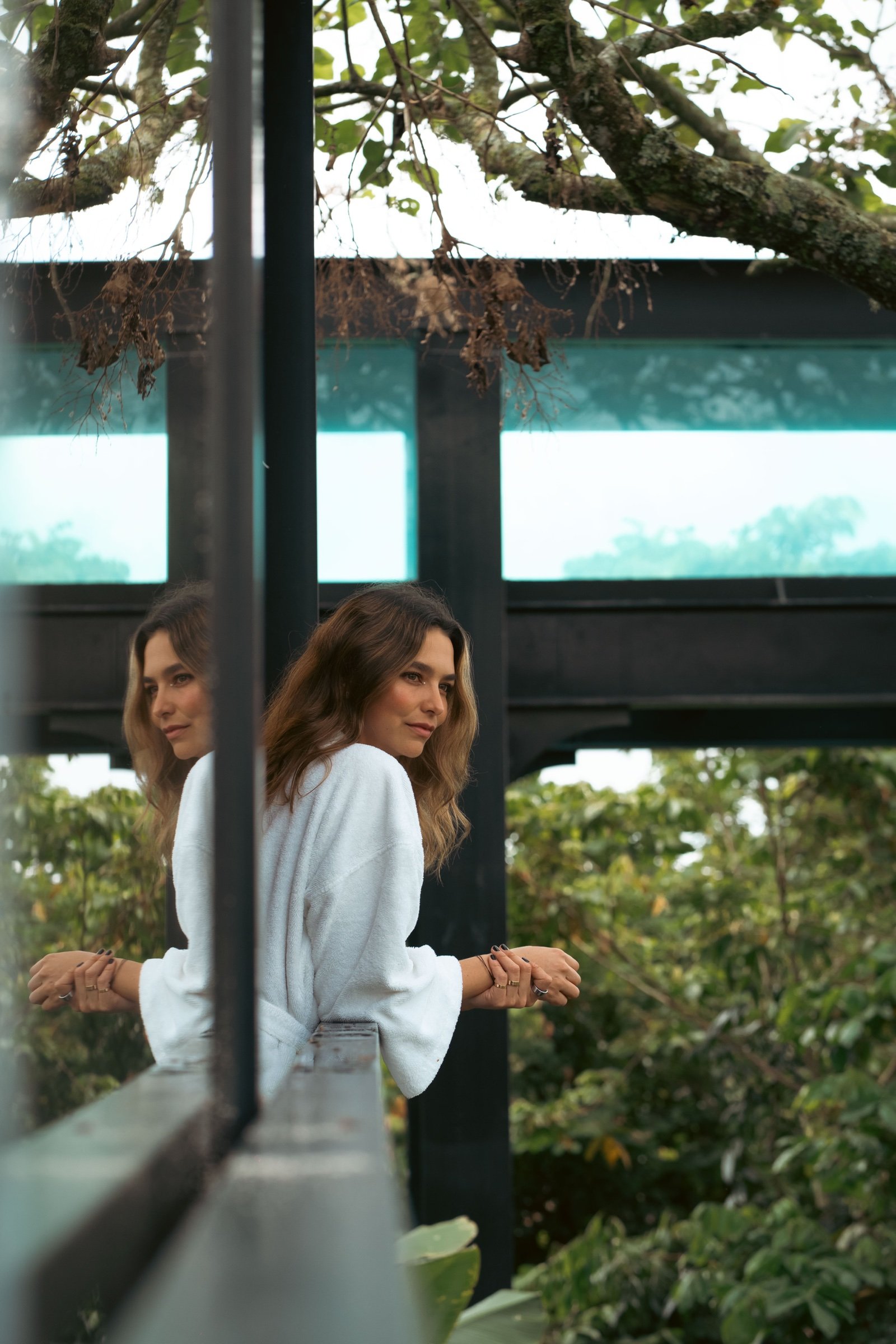
Bio Spa & Wellness is designed around the idea that restoration is quieter than we think. Treatments draw on natural elements: clay, flowers, warm water, plant-based oils. The settings face the vegetation, so even while you rest, you are part of the forest.
A good rhythm for two is a shared ritual in the morning, a long pause in white robes with something warm to drink, and a second treatment later in the day. Do not rush the in-between. The pauses are the point. If you want a closer look at how a full spa day unfolds, read our guide to a day of slow rituals at Bio Spa & Wellness, or our broader piece on a wellness retreat in Colombia’s coffee region.
For couples who want a gentler physical start to the day, a morning practice beside the forest can be a lovely shared ritual. We wrote about it in our yoga retreat guide.
Day three: the valley, together
By the third day, you will probably want to see a little of Quindío beyond the hotel. This is where the region rewards you. Choose one outing, not three.
For couples who love walking, the wax palms of Cocora Valley are unforgettable, and you can read the honest route notes in our complete guide to the Cocora Valley hike. For couples who prefer something softer, the coffee towns of Filandia and Salento offer colorful balconies, craft shops and long, unhurried lunches. Our comparison of Filandia and Salento will help you decide which suits your mood. For more ideas, the full Discover Quindío section collects the experiences we recommend most.
Whatever you choose, build in a slow return. Come back to the hotel with enough daylight left to watch the sunset together.
The table: dinners worth sitting down for
Food is where a couples retreat often becomes memorable. Quindío has a long agricultural tradition, and at Basto, our restaurant, the kitchen works with that tradition rather than against it. Fresh, local ingredients, honest technique and presentation that feels like care rather than performance.
Plan at least one long dinner. Order slowly. Share plates. Let the evening stretch. If you want to understand the philosophy behind it, our guide to where to eat in Colombia’s coffee region explains what farm-to-table really means here, and our story on the coffee experience at Basto follows a cup from bean to table.
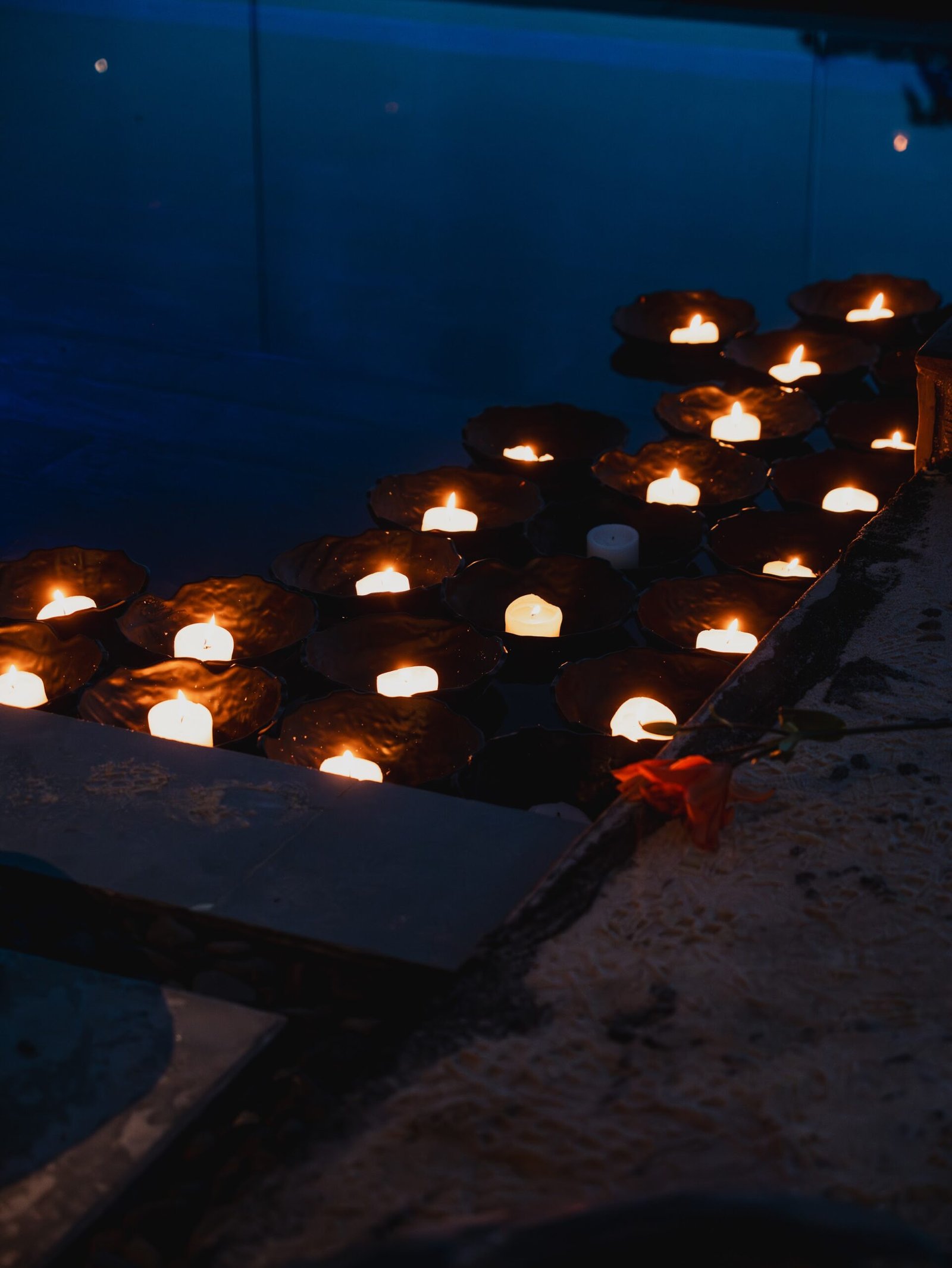
For a special evening, ask the team about arranging a candlelit dinner outdoors. A small table, soft light, the valley going dark behind you. It is a simple thing, and couples remember it for years.
How to design your own couples retreat
You do not need to follow my itinerary exactly. But a few principles will serve you well.
- Stay three or four nights. Two feels like a weekend; five can feel long. Three or four is where the rhythm settles.
- Anchor each day with one thing. A spa ritual, a walk, a town visit, a dinner. Leave everything else open.
- Protect the mornings. Slow breakfasts, no alarms, no rush.
- Put the phones away at sunset. It sounds small. It changes the evening.
- Do one thing you have never done together. A clay treatment, a horseback ride, a new dish. Novelty strengthens connection.
If your trip is also a celebration, our Colombia honeymoon guide and the curated honeymoon itinerary for Quindío go deeper on romance, with day-by-day suggestions.
Why Quindío works so well for couples
There is something about this part of Colombia that softens people. Perhaps it is the climate, never harsh, never heavy. Perhaps it is the landscape, which is generous without being overwhelming. Perhaps it is the people, who treat guests as visitors to be welcomed rather than customers to be processed.
Whatever the cause, couples tend to arrive a little guarded and leave a little lighter. They talk more. They laugh more. They notice things: the color of the evening, the texture of a stone wall, the taste of something grown nearby.
That is what a retreat is for. Not escape from your life, but a return to it with clearer eyes.
Practical notes before you go
Quindío is easy to reach, with Armenia’s airport close by and Bogotá, Medellín and Cali all within a short flight or manageable road distance. Pack light layers, since evenings can be cool, plus comfortable walking shoes and something for rain, which can arrive without warning. Bring curiosity and leave the schedule at home.
When you are ready, explore the habitats, look at the spa menu, and choose the days that feel right for the two of you.
Some places ask you to do more. This one invites you to do less, and to do it together. That, to me, is the whole idea.
Biohabitat Hotel: architecture shaped by the forest, art that invites you to make something, a table rooted in the land, and wellness that unfolds slowly. A way of living.